

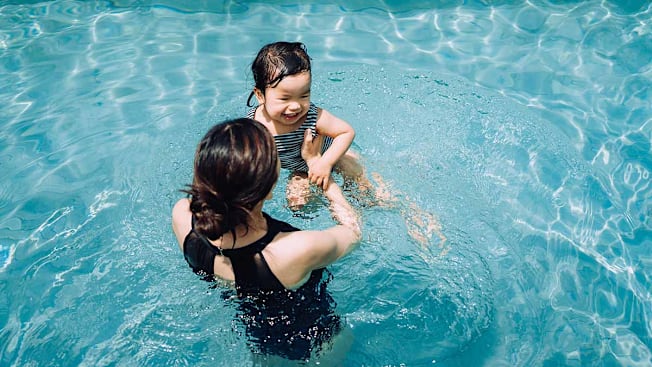
Summer changes how families think about water. As soon as the weather warms up, pools get busier, holidays appear in the calendar, and weekend plans start to involve splash parks, hotel pools, beaches, and day trips with rivers or lakes nearby. With that comes a quieter shift I have noticed over recent seasons. More parents are making water confidence a habit, not a last minute scramble. They are starting earlier, staying consistent, and putting calm safety skills ahead of “swimming a length”. It is a positive trend, and it is long overdue.
As a swimming blogger who has followed how children learn in real pools, with real distractions, I see the same thing every year. The families who enjoy summer water time most are not the ones who take risks or push children too hard. They are the ones who build small safety habits before the holiday rush begins. That usually starts with finding reliable swimming lessons near me that keep progress steady and confidence high. If you are looking for a structured programme that prioritises calm water safety skills, you can begin here: swimming lessons near me.
This post explains the summer water safety habit more parents are starting, why it works, and how to make it part of family life without pressure.
Why summer creates urgency around water skills
During the colder months, swimming can feel optional for some families. In summer, it stops being optional. Water becomes part of daily life.
Children encounter water in more places:
- Holiday pools and water parks
- Beaches and paddling areas
- Outdoor lidos and splash zones
- Garden pools and hot tubs
- Days out where rivers or lakes are nearby
Even if you plan to supervise closely, real life gets busy. A towel drops. A sibling runs ahead. A child gets splashed and panics. These moments are exactly why water safety habits matter.
The habit parents are finally starting is simple. They are preparing their children for water before the summer peak hits, rather than reacting during the holiday itself.
The habit is not “more swimming” – it is better foundations
Many parents assume “prepping for summer” means doing more swimming. Extra pool visits. Crash courses. A sudden push to swim further.
That is not the habit I mean.
The best habit is foundation first. Calm breathing. Floating. Recovery. Body control. These are the skills that stop small problems becoming panic. They also make stroke learning easier later.
A child who can float calmly and breathe with control is safer than a child who can kick hard for a short distance but panics when water hits their face.
This is why the smarter summer habit is not chasing distance. It is building calm control that lasts.
Why parents are changing their approach
I have seen a shift in parent attitudes. More families now understand that water safety is not only about “learning strokes”. It is about teaching children how to behave in water and how to recover when things feel wrong.
Several things seem to be driving this change:
Summer travel is more common again and families have realised how quickly confidence can be tested in unfamiliar pools. Social media has also made parents more aware of risks in open water and hotel pool settings. Schools talk more about water safety at certain times of year. And families are simply more conscious that their children need real skills, not just a badge.
The positive trend is that parents are acting earlier and more calmly.
Why calm confidence is the biggest summer safety skill
Panic is what makes water dangerous for children. Panic changes breathing and posture. Panic makes children rush. Panic makes them inhale water. Panic makes them forget what they know.
Confidence reduces panic because it gives children a plan. They know they can float. They know they can breathe again. They know they can move to the side without rushing.
This is why good swimming lessons focus on calm control early. If your child meets the summer season with calm control, everything becomes easier. Pool days become more enjoyable. Holidays become less stressful. Children feel proud rather than frightened.
Floating – the skill parents underestimate
If I could choose one skill for every child to learn before summer, it would be floating.
Floating teaches children:
- The water supports their body
- They can rest without standing
- They can pause and recover
- They can breathe and calm down
Without floating, children often feel they must keep moving to stay safe. That belief creates fear in deeper water. It also creates panic when they feel tired.
Floating is not a trick. It is a safety tool. In summer settings, it matters more than swimming a set distance.
Breathing control – the skill that stops fear escalating
Breathing control is the second core habit. Children who hold their breath often panic faster. Breath holding increases tension, and tension makes everything harder.
The summer habit parents are starting is helping children become comfortable with:
- Water on the face
- Exhaling in the water
- Turning to breathe calmly
- Staying relaxed after a splash
This is why calm instruction and steady repetition matter. A child who can blow bubbles and recover calmly is far more likely to cope in busy summer pools.
Why “holiday swimming” can expose gaps fast
Holiday pools often feel different. The water may be cooler or warmer. The pool may be deeper than expected. The tiles may be slippery. There may be inflatables, waves, loud games, and older children splashing.
For a child who is still learning, those differences can trigger fear. A child who was fine in a quiet lesson pool may panic in a noisy hotel pool.
This is why preparing before summer works. It gives children time to build confidence in a structured environment so they can handle the unpredictability of holiday swimming.
Routine beats last minute panic
Parents often book a few lessons right before a holiday, hoping to “top up” skills. Sometimes that helps. Often it adds pressure.
Children learn best through routine. Weekly lessons build familiarity. The pool feels normal. The instructor becomes trusted. Skills become automatic. A last minute rush can create tension, especially if the child senses the holiday deadline.
The best water safety habit is keeping lessons consistent through spring and early summer.
If you want a reference point for a structured programme that focuses on calm foundations, the lesson setup here is useful: swimming lessons. A clear progression plan helps children build confidence without feeling rushed.
The small behaviour changes that improve summer safety
Water safety is not only about skills. It is also about behaviour. Parents who start the summer habit often make small changes that reduce risk.
They teach children to pause before entering water. They teach them not to run on poolside. They teach them to stay close unless told otherwise. They teach them to listen to instructors and lifeguards.
These habits sound basic, but they make a big difference in busy summer environments.
What parents can do without turning it into pressure
Parents often worry they need to do more. More pool visits. More drills. More coaching. In reality, the best support is calm and consistent.
Here is the simplest way to support the summer water safety habit:
Keep lesson attendance regular. Keep language calm. Praise effort and calm behaviour. Avoid performance deadlines. Let instructors guide progression.
This approach reduces fear and helps children progress faster over time.
Why this habit is good news for everyone
It is easy to focus on risks when talking about water safety. The positive side is that this shift in parent behaviour is making summer better for children.
Children who build confidence early:
- Enjoy pool days more
- Feel less fear around water
- Try new skills without panic
- Recover quickly when splashed
- Become safer in all water settings
Parents also benefit. They relax. They stop hovering. They enjoy holidays more.
This is why the summer water safety habit is such a strong trend. It improves safety and enjoyment at the same time.
A calm recommendation for families in Leeds
If you are local and you want a structured, confidence first programme that supports this summer habit, look for lessons that build calm breathing, floating, and safe recovery skills before pushing distance.
For parents searching for swimming lessons in Leeds, you can review local options here: swimming lessons in Leeds. A clear structure and calm progression help children become safer and more confident before peak summer water time.
Closing point
The best summer water safety habit is not chasing lengths. It is building calm control before the holiday rush arrives. When children can float, breathe, and recover without panic, they become safer and they enjoy water more.
If your family is heading into a summer full of pools, beaches, and days out, start early and stay consistent. Confidence grows through repetition, not pressure. And once confidence is in place, everything else in swimming becomes easier.