

Introduction
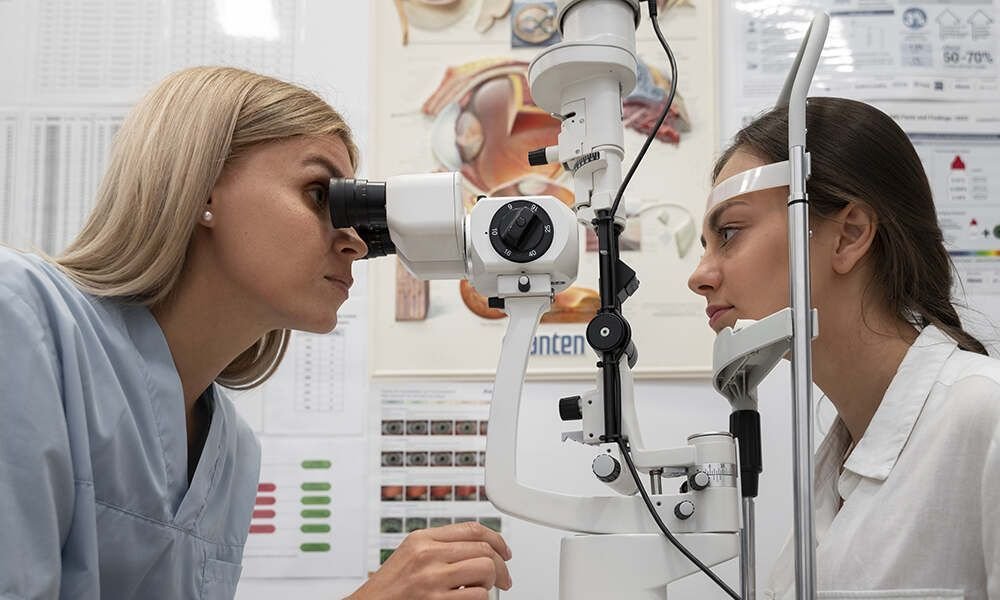
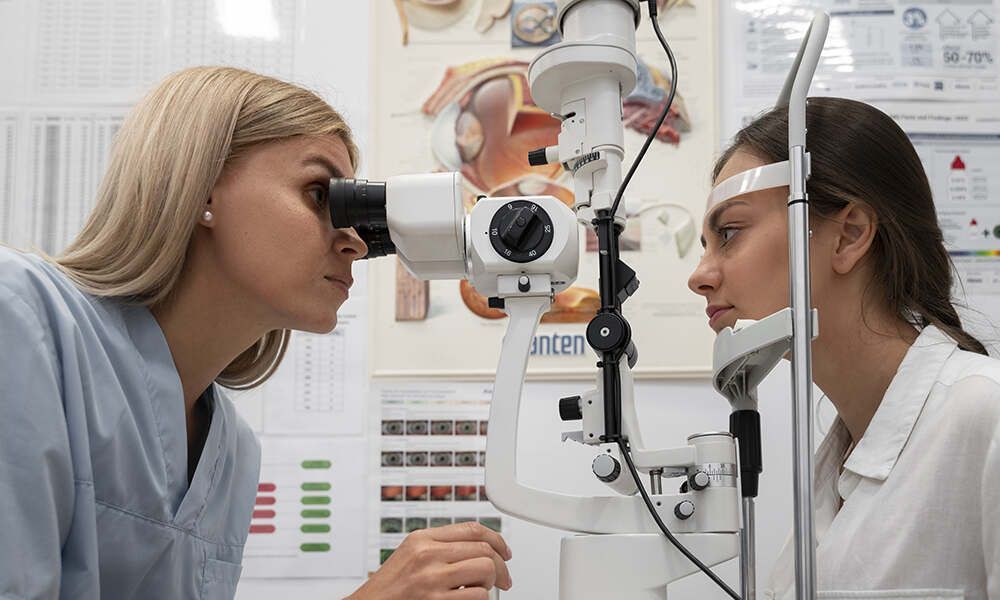
Accurate eye examinations are essential for detecting retinal diseases and other vision-related conditions. In medical and healthcare education, students must learn how to examine the eye carefully and identify early signs of retinal problems. However, practicing these examinations directly on patients can be challenging for beginners who are still learning the proper techniques.
By providing realistic training experiences, these tools help students develop the skills and confidence needed to detect retinal diseases effectively.
What Are Eye Examination Trainers?
Eye examination trainers are specialized medical simulation tools designed to replicate the structure of the human eye. These trainers often include detailed models of the retina and other internal eye structures, allowing students to practice using diagnostic instruments such as ophthalmoscopes.
These training models are designed to simulate various eye conditions so that students can learn to recognize abnormalities during examinations.
Common features of eye examination trainers include:
- Realistic retinal images and structures
- Adjustable pupil sizes for examination practice
- Simulated eye diseases and abnormalities
- Compatibility with ophthalmoscopes and other diagnostic tools
These features allow learners to experience realistic diagnostic scenarios during training.
Helping Students Understand Retinal Anatomy
Before students can detect retinal diseases, they must first understand the normal structure of the retina. Eye examination trainers help students study retinal anatomy in a clear and visual way.
Through repeated practice, students learn to identify key structures such as:
- The optic disc
- Retinal blood vessels
- The macula and fovea
- The overall color and texture of the retina
Understanding these structures allows students to recognize when something appears abnormal during an examination.
Training Students to Identify Retinal Diseases
Eye examination trainers often include simulated images of various retinal diseases. These models help students learn how different conditions appear during an eye examination.By observing and analyzing these simulations, students become familiar with the visual signs associated with common retinal disorders.
Some retinal conditions students may learn to identify include:
- Diabetic retinopathy
- Retinal detachment
- Macular degeneration
- Retinal haemorrhages
- Hypertensive retinopathy
Recognizing these signs early is essential for preventing vision loss and ensuring patients receive proper treatment.
Developing Practical Examination Skills
Learning how to use diagnostic tools correctly is a key part of eye examination training. Eye examination trainers allow students to practice using ophthalmoscopes and other instruments in a safe environment.
During training sessions, students can practice:
- Proper positioning of the ophthalmoscope
- Adjusting focus and light settings
- Aligning the instrument with the pupil
- Systematically examining the retina
Repeated practice helps students become comfortable with the equipment and improves their ability to conduct thorough examinations.
Building Student Confidence
Many healthcare students feel uncertain when performing eye examinations for the first time. Eye examination trainers help reduce this anxiety by providing a risk-free learning environment.
These training tools allow students to:
- Practice multiple times without pressure
- Learn from mistakes without affecting real patients
- Receive feedback from instructors during practice sessions
As students gain experience with simulation models, they become more confident in their diagnostic abilities.
Conclusion
Through repeated practice and guided instruction, students develop the skills necessary to perform accurate eye examinations. These training tools not only strengthen clinical competence but also help future healthcare professionals provide better care for patients with eye and vision conditions.