

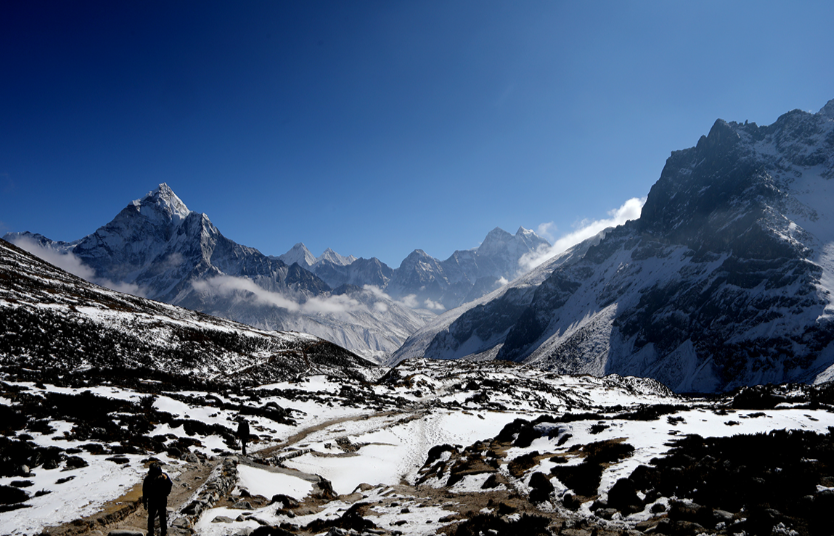
Manaslu is the trip of a lifetime, a trip that combines some of the best Himalayan features, challenging trekking, and cultural purity. However, it’s the same capabilities that make this trek so unique (its isolation, its excessive-altitude challenges, the odd regulations that govern it) that also make it the ideal region to mess up and turn the trek of a lifetime into a grueling embarrassment. Keep away from those pitfalls, and your Manaslu Circuit trek will not handiest achieve success however additionally an extremely good experience you’ll in no way forget. This manual is going to walk you through more than 100 of the most common fuckups that send hikers scurrying to the emergency room and offers expert counsel so that you can storm down the trail and into town.
The Altitude Trap: Ascending Too Quickly
The fatal errors that most trekkers make on a high altitude trek are hiking too high, too fast, and that is particularly true for the Manaslu Trek. The human frame desires time to conform to the decreased oxygen levels at higher altitudes. Dashing your Manaslu Trek schedule to waste a day, or leaving you with a crippling headache from Acute Mountain sickness (AMS), or worse, with a fatal situation like HAPE or HACE. Nowhere is this more the case than at the technique to the Larkya Los Angeles skip, the high point of the trek. In order to avoid this progression, one must climb gradually, using a good itinerary and plenty of acclimatization days in villages like Sama Gaun and Samdo. Use those days to head on a short, high (to a viewpoint or a side trip to somewhere like Manaslu Base Camp), then “sleep low.” It has been proven to be an effective approach for acclimation.
The Duel We All Face When Packing: Overpack or Underpack
The second most common mistake is incorrect packing. Either they bring too much, which is unwieldy and exhausting and can also be dangerous, or they bring too little and find themselves ill-dressed for the fluctuating mountain weather. The key, he said, is to pack smart, not heavy. And don’t forget to layer correctly: a synthetic moisture-wicking base layer, an insulating mid-layer type of fleece or light down jacket, and a (fully) waterproof/windproof outer shell. And don’t bring any pack and cotton clothes that will trap moisture and make you dangerously cold. While a porter is an excellent resource and companion for your Manaslu Circuit Trekking, you must also be mindful that they have a weight limit. A heavier duffel bag can strain your back and become a sore point with your porter. Conversely, packing inadequate garb for cold nights above 4,000 meters or forgetting a headlamp, backup batteries, or maybe a stripped-down first useful resource kit can multiply a minor misfortune into something some distance worse.
The Hydration and vitamins are overlooked
There, at high altitude, you lose water from your body two to three times faster than at sea level. Dehydration is one of the biggest factors in altitude sickness and can suck the energy out of your limbs. Intermediate: YOU DON’T LIKE TO BE THIRSTY You may not always feel thirsty, but that’s no reason not to drink water. Drink at least 3-4 liters of water per day, including oral rehydration solution or Electrall. Equally important is your diet. While you may eat less at altitude due to appetite decline, your body still requires fuel. Resist the temptation to starve yourself. Base camp made smooth: Dal Bhat Dal Bhat, ahiya jati Maya (translation: Dal Bhat, that is how we live). The national dish of Nepal, Dal Bhat, is an excessive-carb/protein mix, a good way to feed you and give you the energy to trek day in and day trip. Do not devour an excessive amount of alcohol or caffeine, as it causes dehydration.
Breaking the policies: One’s a Lonely wide variety.
The Manaslu Circuit is a restricted trekking area; the most important regulation is that trekking alone is not allowed. The only way to obtain a necessary Manaslu Circuit Trek permit is to be accompanied by a government-registered guide and at least another person. Trying to break this rule, or getting caught without the correct paperwork, could see you being denied entry at a checkpoint, and so, the cost of a guide and permits is one of the inescapable Manaslu Circuit Trek Costs. Think of this as a safety tip and as a way to make your foray more interesting. You don’t just need a local guide, but a guy who is not only God’s gift to navigation but the Supreme Interpreter of Culture — and, in times of absolute disaster, your link to the outside world.
Disregarding Local Culture and Etiquette
The Manaslu valley is a well-kept secret, a sacred place with protected culture. It would be a disgraceful, and the worst-case scenario would be to do what we wanted in the local area without any respect for traditions. To prevent this, it’s therefore most respectful to appear conservative by dressing modestly — though, especially while in villages and monasteries. When travelling in Buddhist lands, keep to the right-hand sides around stupas, mani walls, and chortens. A smile and an effortless “Namaste” or “Dhanyabad” will go a long way to establishing some immediate rapport with local people. ) (Just make sure to ask cultur andetes to photograph them [people/sacred sights]). Showing respect for the culture in which you are trekking, because after all, the journey is not only to benefit yourself, but also a two-way exchange.
Underestimating the Trail: Forget Preparation, both Physically and Mentally
The Manaslu Circuit Trek is demanding physically and mentally, needing good training. One of the wrong assumptions of most first-time trekkers is that being generally fit is good enough. The trek involves numerous long days with rough trails over uneven ground and significant elevation gain. If you want to avoid this, you should implement a focused training program at least two months before hitting the road. Throw in hikes with a loaded pack, stair-stepping, and cardio exercise. There’s the mental preparation that’s just as important. The process can be emotionally, psychologically exhausting in and of itself. Fear, discomfort, exhaustion, and the confusion of mountain living. Positivity and flexibility will be your best friends on the trail.
What We Didn’t Know We Didn’t Know Unanticipated, for the Unforeseen (Flexibility)
In the mountains, you never know. Manaslu Circuit Trek Weather Manaslu Circuit trek weather tends to be unexpected – clear one minute and snowing on a pass the next. Teahouses may be hard to come by at peak seasons, and you can never know the actual state of the trail, which might change your plan. It’s also easy to be so wedded to your plans and expectations that there is no room for them to adjust. You can avoid this by building a buffer into your schedule and trusting your guide. It’s invaluable to have a guide who knows the Manaslu Circuit Trek Map and the weather patterns. Embrace the addlib plot as part of the adventure or campaign, not an obstacle.
Last Piece – When it all came good
The Manaslu Trekking is a fantastic trip, but the outcome is determined by readiness and common sense. By avoiding those costly mistakes — of the physical, logistical, cultural, and mental variety — you can ensure your trip isn’t just successful, but transformational. What had been a testament to raw will, a toast to human perseverance, and a tragedy of the human spirit became a four-day death march to the “Mountain of the Spirit.” By being smart, thoughtful, and prepared, you’ll blow the trail away and create the perfect memory.