

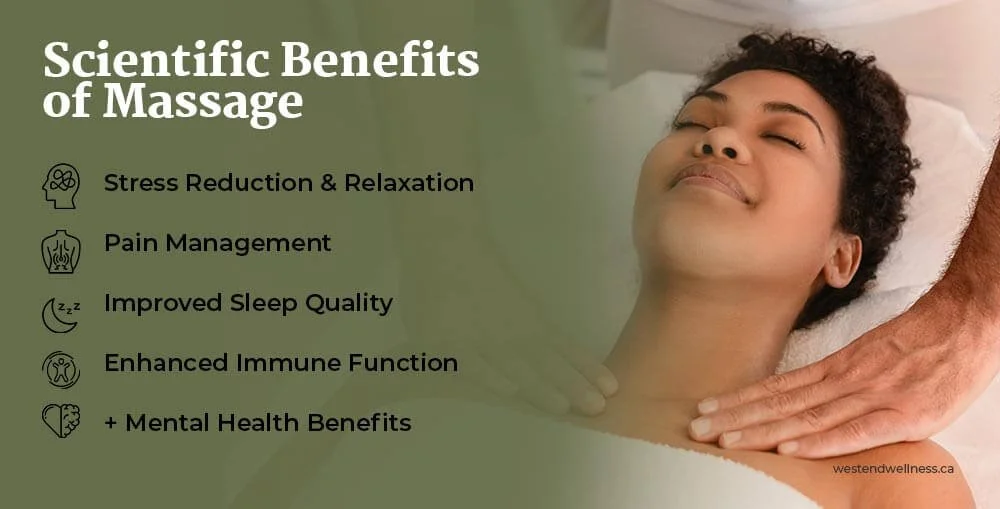
In today’s fast-paced world, stress is more than just a passing emotion—it has become a daily companion for many. Whether triggered by work pressure, family responsibilities, or digital overload, chronic stress can have severe consequences on both mental and physical health. As individuals search for more natural and non-invasive methods to manage stress and improve well-being, massagers are emerging as powerful tools in self-care.
These devices, once considered luxury items, are now widely accessible and increasingly integrated into daily wellness routines. Massagers can influence the body and mind, from soothing sore muscles to promoting relaxation. Among various types, devices like a knee massager are gaining popularity for their targeted relief, especially among individuals who experience joint strain due to sedentary lifestyles or aging.
For those who experience tension-related symptoms like headaches or eyestrain due to long screen time, an eye massager offers a gentle way to relieve pressure and promote deep relaxation. These seemingly simple devices can profoundly impact our minds and overall emotional balance.
The Link Between Physical Relaxation and Mental Calm
The human body and mind are deeply interconnected. When the muscles are tense and the body is in discomfort, the brain registers these signals as stress. This physical stress can amplify emotional stress, creating a cycle that is hard to break. Massagers help interrupt this pattern by inducing muscle relaxation, improving circulation, and releasing feel-good hormones like serotonin and dopamine.
Once the physical strain is addressed, the mental load also eases. Users commonly report a sense of mental clarity and emotional calm after a massage. Whether a handheld device or a full-body massager, the soothing effects directly contribute to reduced anxiety levels and improved sleep quality.
Alleviating Stress Hormones
When stress hits, the body releases cortisol, the primary stress hormone. High levels of cortisol over a long period can lead to anxiety, depression, fatigue, and even chronic health conditions. Regular use of massagers has been found to lower cortisol levels naturally.
Massaging specific areas like the shoulders, neck, and back relaxes tense muscles and triggers the body’s parasympathetic nervous system, often called the rest and digest system. This system helps regulate mood and promotes recovery, where the body repairs and rejuvenates. Incorporating daily or weekly massage sessions into your wellness routine can act as a buffer against prolonged exposure to stress hormones.
Promoting Better Sleep Quality
Sleep is vital for both physical recovery and emotional well-being. However, many people struggle to wind down due to stress-induced insomnia or racing thoughts. Massagers can play a crucial role in improving sleep patterns.
A relaxing massage before bed encourages melatonin production, the hormone regulating sleep. The rhythmic motion of massaging can calm the nervous system, making it easier to drift into restful slumber. By reducing muscle tension and stimulating relaxation responses, massagers are a non-pharmaceutical solution to sleep disturbances, making them especially beneficial for individuals with chronic stress or anxiety.
Enhancing Mood and Reducing Anxiety
One of the most immediate benefits of massage therapy is the mood lift it provides. The sensation of being comforted, whether by another person or a massaging device, triggers the release of oxytocin. This hormone creates feelings of safety and trust, helping users feel more emotionally grounded.
Regular use of massagers can help alleviate mild to moderate anxiety symptoms by lowering muscle tightness, improving breathing, and allowing the user to focus on bodily sensations rather than stressful thoughts. The tactile experience encourages mindfulness, which reduces anxiety and elevates mood over time.
Improving Focus and Mental Clarity
Stress and mental fatigue can impair concentration, decision-making, and memory. When the mind is cluttered and the body is tense, productivity and cognitive function decline. Massagers can act as a reset button, improving circulation and stimulating nerves to boost alertness and focus.
Even short massage sessions of 10–15 minutes can help refresh the mind. A midday massage break can reinvigorate your mental energy and improve your performance for the rest of the day. The result is not just a physically revitalized body, but also a sharper, clearer mind.
Supporting Mindfulness and Self-Care Habits
Mindfulness is about being present in the moment and aware of your body, emotions, and surroundings without judgment. Massagers can enhance this practice by encouraging individuals to focus on the sensation of touch, breathing rhythm, and areas of tension or relief.
Incorporating massage into a self-care routine can promote a deeper connection with oneself. It provides a tangible way to show self-compassion, acknowledging that rest and recovery are not indulgences, but necessities. Taking time for a massage session, whether alone or integrated into a wellness ritual, reinforces positive mental health habits that have lasting effects.
Safe Usage Tips for Maximum Mental Wellness
While body massagers are generally safe, using them properly enhances their benefits and avoids discomfort. Seniors, people with medical conditions, or those taking medication should always consult a doctor before incorporating massage therapy into their routine. Here are a few important considerations:
Start with Low Intensity: Especially for stress relief, gentle vibration or kneading modes are ideal.
Focus on High-tension Areas: Neck, shoulders, and lower back tend to hold stress. Spend a few minutes on each.
Avoid Bony Areas: Stick to fleshy muscle groups to prevent irritation or bruising.
Limit Session Duration: 10–20 minutes per session is sufficient for mental and physical relaxation.
Use Regularly But Not Excessively: Daily short sessions offer the best long-term results.
When used correctly, a massager can become a powerful ally in achieving physical recovery and mental equilibrium.
Final Thoughts
Integrating massagers into your wellness toolkit can make a remarkable difference in a world where stress and mental exhaustion are common. More than just tools for muscle relief, they serve as gateways to better mental health, offering comfort, relaxation, and emotional stability when needed.
Whether through a knee massager for aching joints or an eye massager to soothe tension headaches, these devices empower individuals to take control of their well-being in a gentle, non-invasive way. Regular use can help restore balance, reduce anxiety, and encourage a calm, focused mind, one massage session at a time.